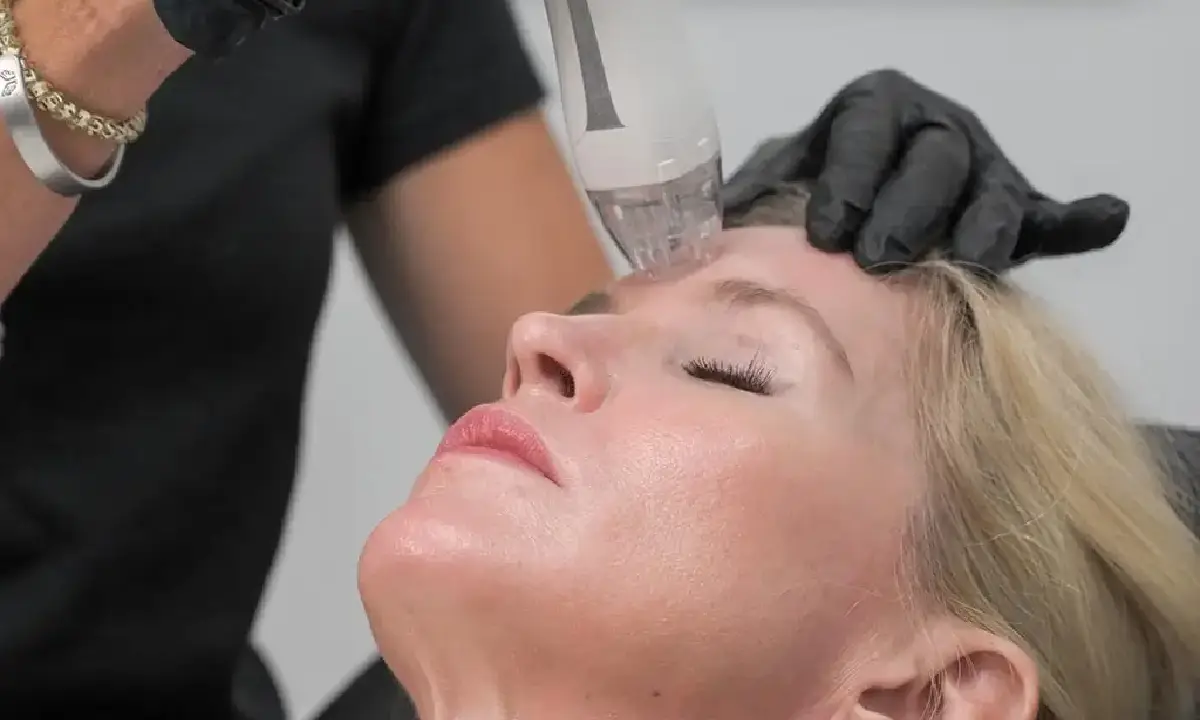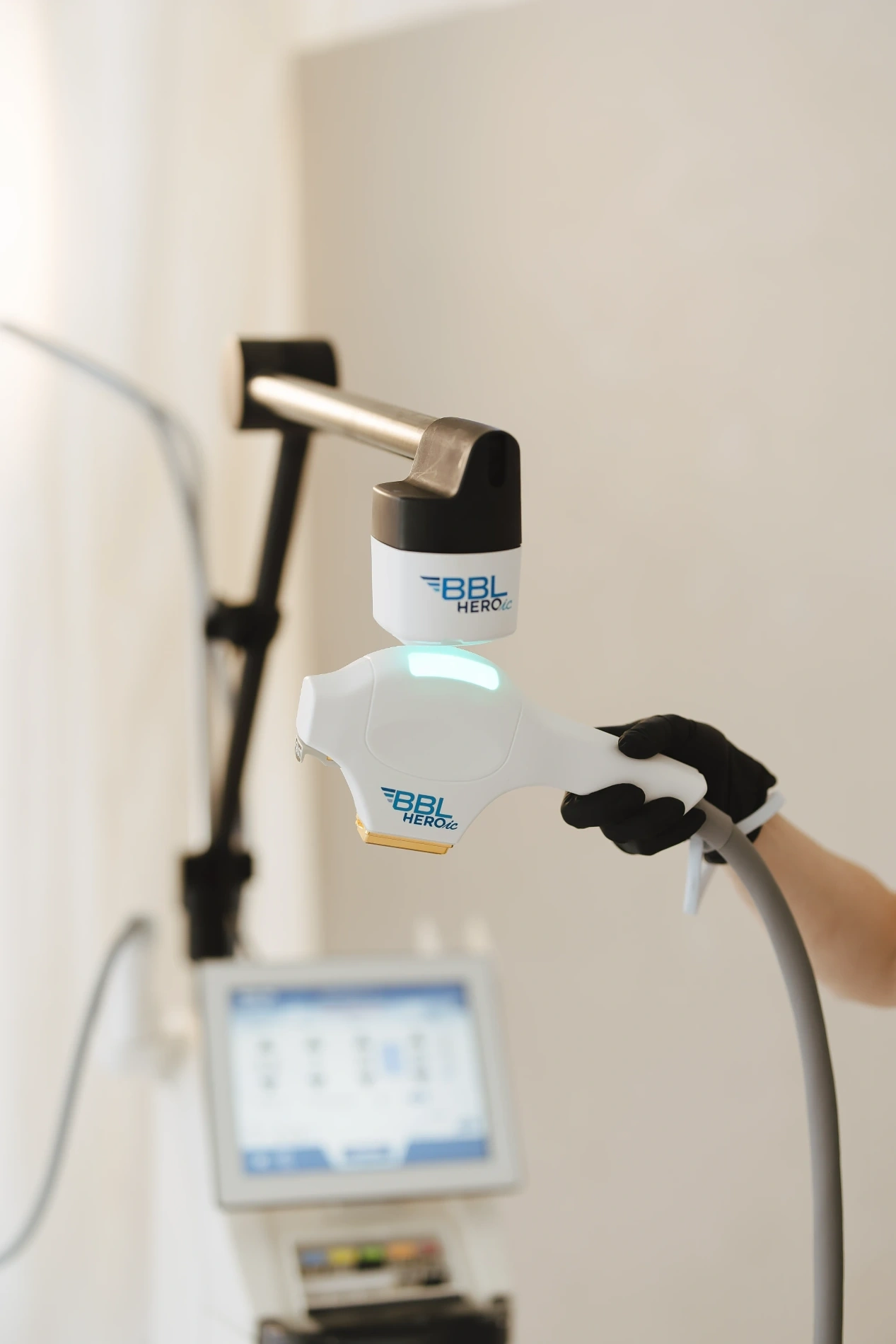

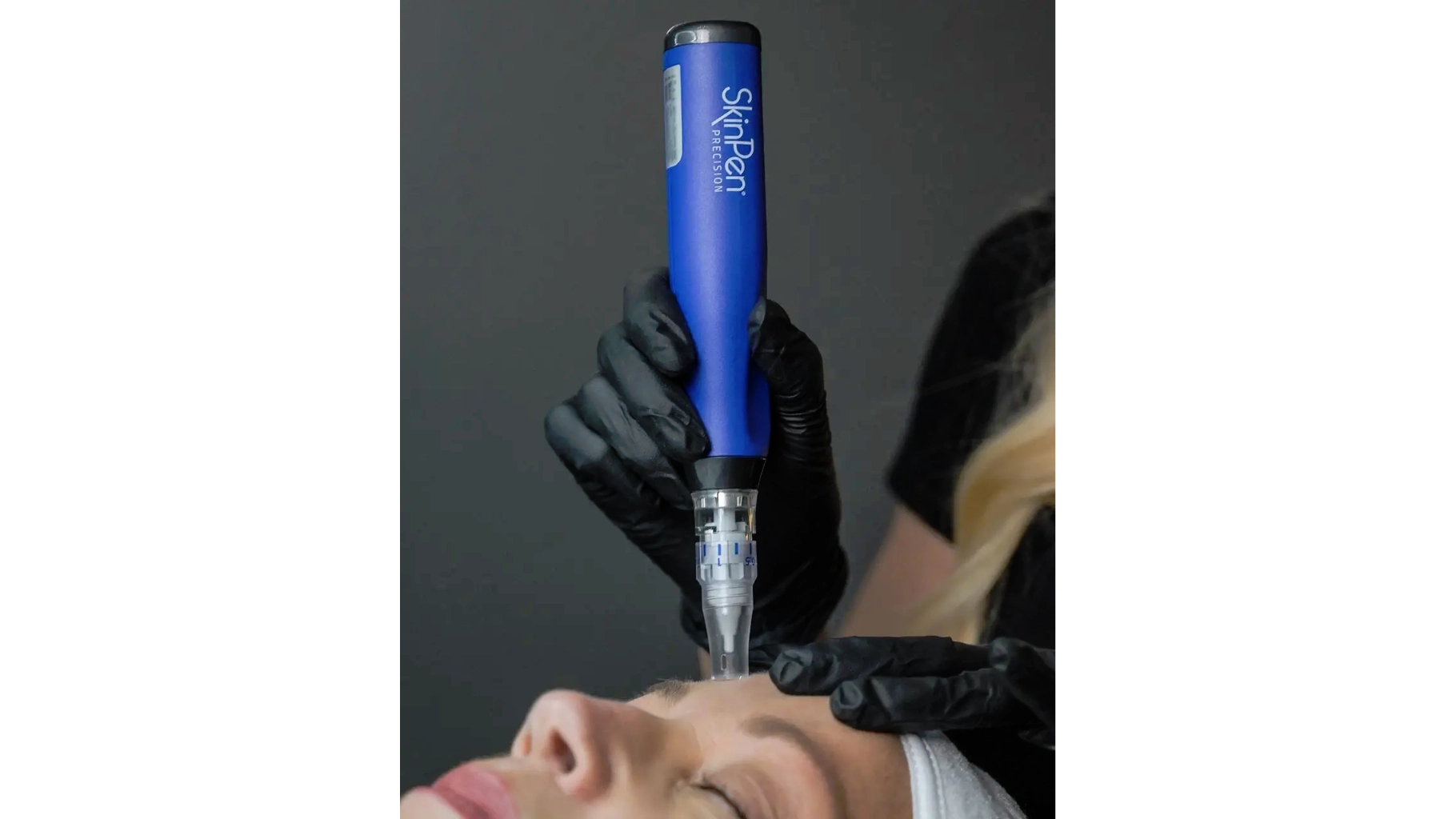
Microneedling is often described as a collagen-stimulating treatment, but the real outcome depends on what the skin receives during the healing phase. Pairing microneedling with biologic boosters such as PRP, PRF, or PDGF changes how the skin repairs itself, how long results last, and who benefits most from each option. While these terms are sometimes used interchangeably, they are not interchangeable in practice.
At Enchanted Medical Aesthetics, the differences matter, especially when age, platelet quality, and long-term skin goals are part of the conversation.
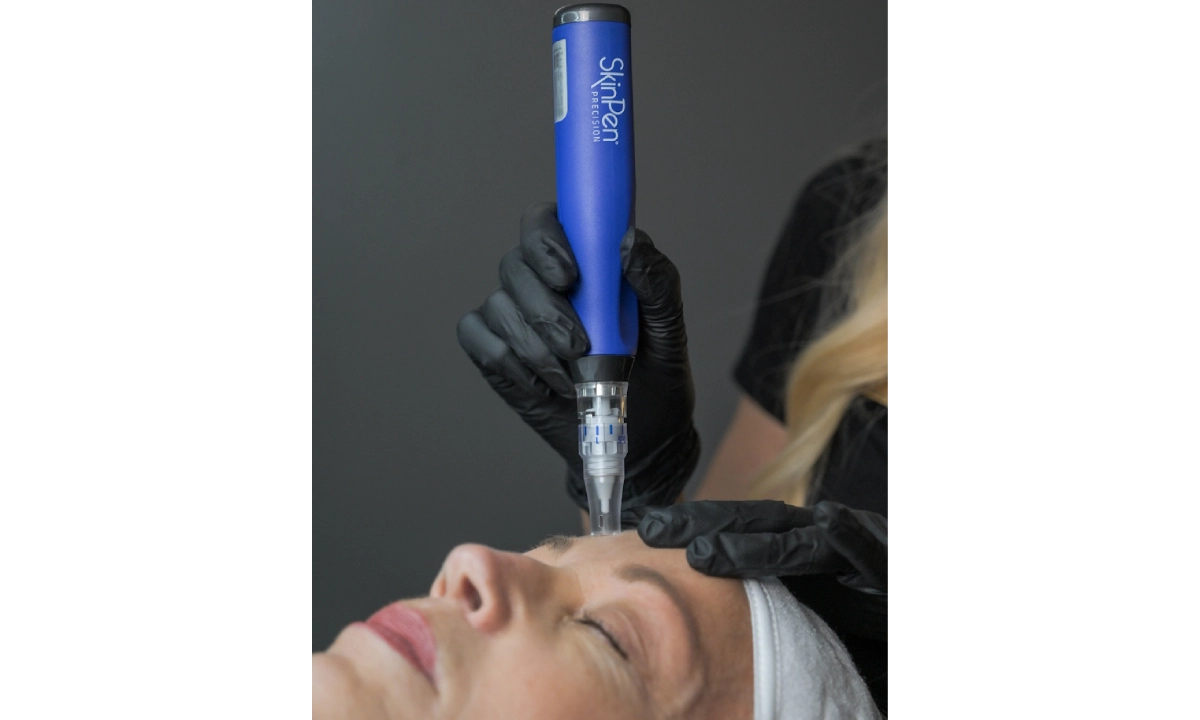
Microneedling creates controlled micro-injuries that signal the body to begin repair. On its own, this process stimulates collagen. When growth factors are introduced at the same time, the skin’s response becomes more targeted. The type of growth factor applied determines whether the effect is short-lived, sustained, or highly concentrated.
PRP, PRF, and PDGF all support regeneration, but they behave very differently once placed into the skin. Identifying those differences helps set realistic expectations and guides treatment selection.
PRP, or platelet-rich plasma, is created by spinning a patient’s blood at high speed to separate platelets from red blood cells. Those platelets release growth factors rapidly after application. This is why PRP microneedling is often associated with a quicker glow, brighter tone, and short-term texture improvement.
What is less commonly discussed is that PRP quality is not consistent from patient to patient. Platelet concentration, growth factor output, and overall effectiveness depend on several factors, including:
As we age, platelet activity naturally declines. That means PRP drawn from a younger patient typically contains a higher concentration of active growth factors than PRP drawn from someone in their late 40s or 50s. This explains why PRP microneedling results can look impressive for some patients and more subtle for others.
PRP microneedling is often appropriate for early signs of aging, maintenance treatments, and patients seeking faster visible refreshment rather than long-term tissue remodeling.
PRF, or platelet-rich fibrin, is processed differently. Blood is spun at a lower speed and without anticoagulants. This preserves fibrin, white blood cells, and stem-cell signaling components. Instead of releasing growth factors all at once, PRF delivers them slowly over time.
This sustained release is what makes PRF especially valuable for patients with thinning skin, deeper acne scars, or age-related collagen loss. Even in older patients, PRF continues to stimulate tissue repair weeks after treatment because the fibrin matrix acts as a scaffold for ongoing regeneration.
PRF microneedling is frequently recommended when long-term improvement matters more than quick brightness. Patients often notice gradual changes in firmness, texture, and skin quality rather than an immediate glow.
PDGF, or platelet-derived growth factor, differs from PRP and PRF because it is not drawn from the patient’s blood. PDGF is a purified, lab-engineered growth factor designed to deliver a consistent and highly concentrated regenerative signal.
This consistency removes the variability seen with PRP and PRF. Age, platelet health, and individual biology do not affect PDGF potency in the same way. For patients who are older, have compromised platelet quality, or want a predictable regenerative response, microneedling with PDGF can offer a more controlled outcome.
PDGF does not rely on the body’s platelet function. Instead, it directly signals fibroblasts to produce collagen and elastin. This makes it a strong option for advanced aging concerns and patients who have not responded optimally to PRP-based treatments in the past.
Age plays a significant role in regenerative aesthetics. Younger skin responds quickly to platelet-based therapies because growth factor signaling is already robust. As skin ages, that signaling slows, and platelet output becomes less efficient.
This does not mean older patients cannot benefit from microneedling. It means the biologic paired with the treatment becomes more important. PRF and PDGF are often better suited for mature skin because they either extend growth factor release or bypass platelet dependency altogether.
Matching the treatment to the biology of the skin helps avoid disappointment and supports more meaningful, lasting results.
Microneedling can be combined with different biologics depending on the area treated and the goal.
Microneedling with PRP or PRF is commonly used to improve texture, minimize pores, soften fine lines, and reduce acne scarring. PRF is often preferred for deeper scars or thinning skin due to its prolonged regenerative activity.
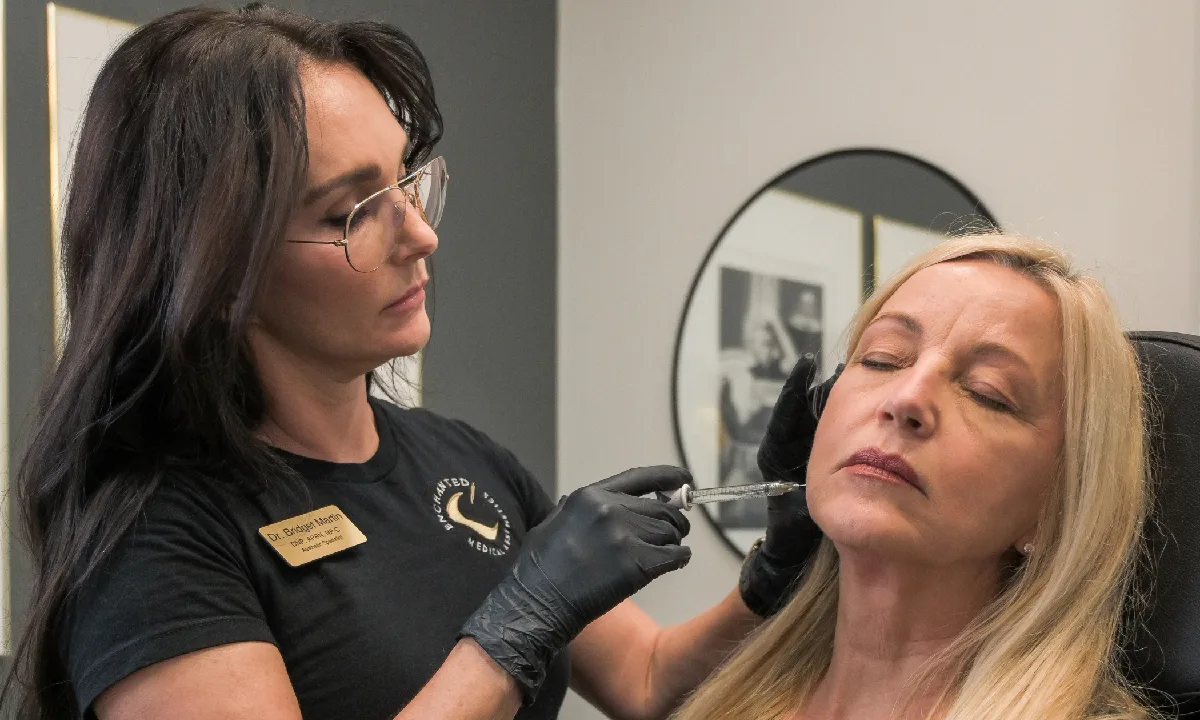
PRF injections are also used for under-eye rejuvenation, scar therapy, and hair restoration. In these areas, slow tissue repair is often more beneficial than rapid stimulation.
Microneedling with PDGF may be recommended for patients seeking consistency, especially when age or health factors affect platelet quality.
There is no single best choice between PRP, PRF, and PDGF. The right option depends on skin condition, age, treatment history, and long-term goals. PRP may be suitable for maintenance and early aging concerns. PRF often supports deeper, longer-lasting regeneration. PDGF offers controlled, predictable stimulation without relying on platelet health.
A personalized consultation allows these factors to be evaluated properly before selecting a treatment plan.
At Enchanted Medical Aesthetics, microneedling treatments are designed with intention rather than a one-size-fits-all approach. Regenerative options such as PRP, PRF, and advanced growth factor therapies are selected based on skin biology, not trends. Treatments are performed by experienced providers with a focus on safety, precision, and long-term skin health.
Patients seeking microneedling with PRP or PRF in Ormond Beach benefit from protocols that prioritize platelet quality, treatment timing, and individualized planning to support meaningful results rather than surface-level improvement.
Book Your Fast Recovery Treatment!
PRF releases growth factors gradually over time, while PRP releases them quickly. This leads to longer-lasting regeneration with PRF.
PRP quality depends on platelet concentration, which varies based on age, health, and lifestyle factors.
PDGF offers consistent growth factor delivery and may be better suited for patients with reduced platelet activity or advanced aging concerns.
Most protocols involve a series of three sessions spaced about four weeks apart, depending on the treatment area and goals.
Initial changes may appear within a few weeks, with continued improvement developing over several months as collagen production increases.
Share this post